
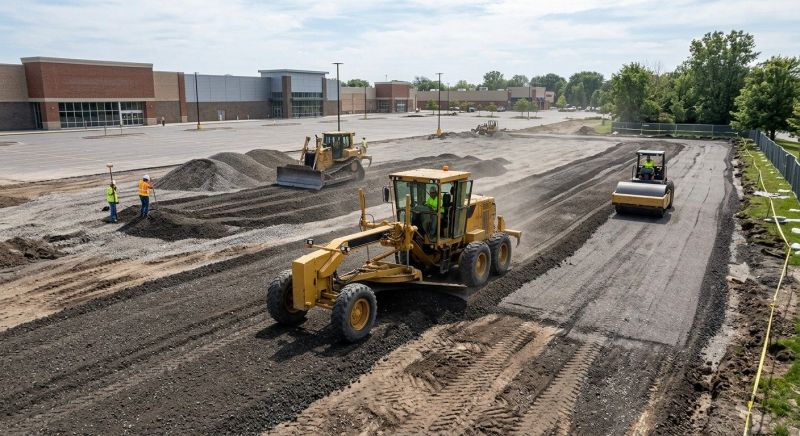
Parking Lot Excavation in Houston, TX
Parking lot excavation services involve the removal and preparation of soil and existing pavement to create a stable foundation for new parking areas. This process is essential for a variety of projects, including constructing new parking lots, expanding existing ones, or resurfacing damaged surfaces. Property owners typically seek excavation to ensure proper drainage, level surfaces, and a solid base that supports heavy vehicle traffic, helping to prevent future issues such as uneven settling or water pooling.
Before requesting parking lot excavation, property owners should consider the size of the area, the type of soil or material that needs to be removed, and any existing structures or utilities that may be affected. It’s also useful to understand local regulations or permits that might be required for excavation work. Clear communication about project goals and site conditions can help ensure the excavation process meets expectations and provides a durable, long-lasting foundation for parking needs.
Many property owners in Houston, TX look into Parking Lot Excavation for repairs, replacements, upgrades, and appearance-related improvements.
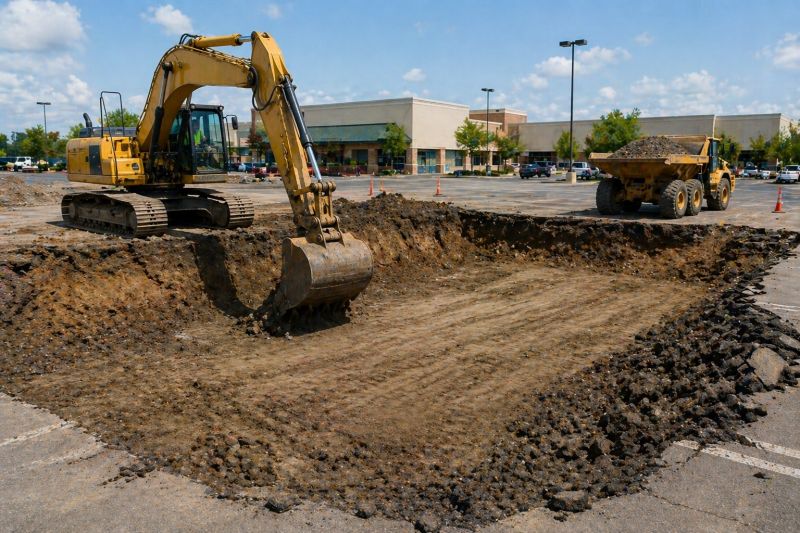
Site Preparation For Parking Lots
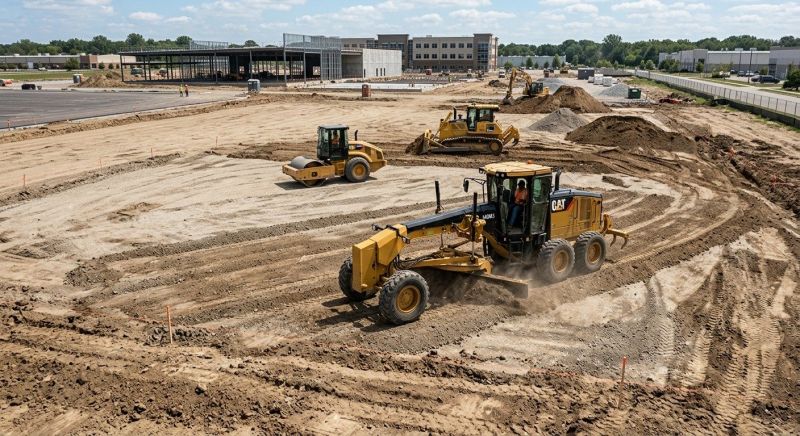
Preparing the land ensures a stable foundation for parking lot construction and expansion.
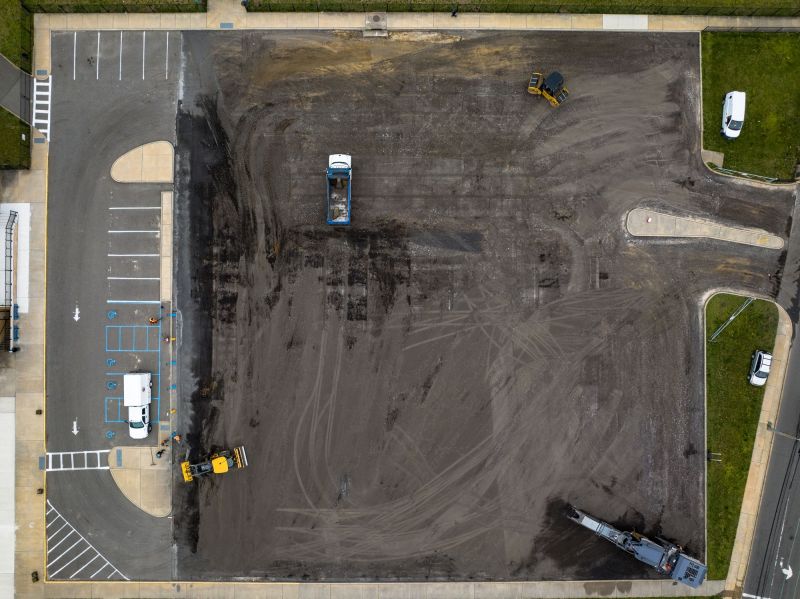
Demolition And Clearing
Existing structures and debris are removed to create a clean, level space for new paving.
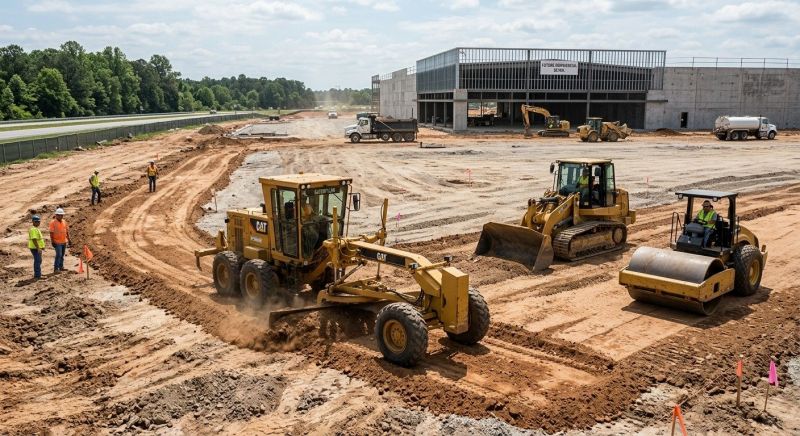
Drainage And Grading Solutions
Proper grading and drainage setup prevent water accumulation and protect pavement longevity in houston areas.
Parking Lot Excavation in Houston, TX

Parking lot excavation services involve the removal and preparation of soil and existing pavement to create a stable foundation for new parking areas. This process is essential for a variety of projects, including constructing new parking lots, expanding existing ones, or resurfacing damaged surfaces. Property owners typically seek excavation to ensure proper drainage, level surfaces, and a solid base that supports heavy vehicle traffic, helping to prevent future issues such as uneven settling or water pooling.
Before requesting parking lot excavation, property owners should consider the size of the area, the type of soil or material that needs to be removed, and any existing structures or utilities that may be affected. It’s also useful to understand local regulations or permits that might be required for excavation work. Clear communication about project goals and site conditions can help ensure the excavation process meets expectations and provides a durable, long-lasting foundation for parking needs.
Many property owners in Houston, TX look into Parking Lot Excavation for repairs, replacements, upgrades, and appearance-related improvements.
Common Parking Lot Excavation Jobs
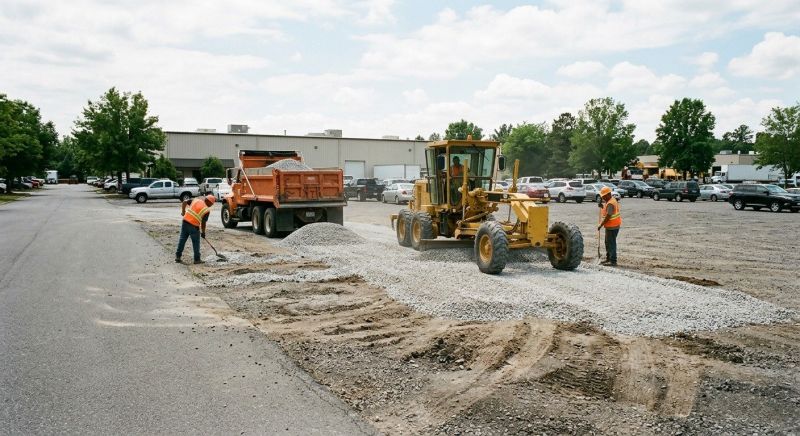
Parking Lot Excavation - Prepares the site for new pavement or surfacing by removing existing materials.
Driveway Excavation - Creates a stable base for residential or commercial driveways.
Drainage Excavation - Ensures proper water flow and prevents flooding around parking areas.
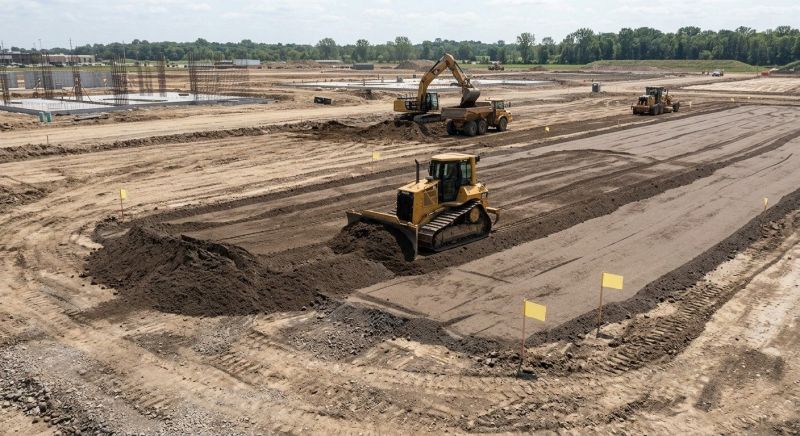
Lot Grading - Levels and contours the land to promote proper drainage and stability.
Subgrade Preparation - Provides a solid foundation for parking surfaces and pavement installation.
Site Clearing - Removes debris, vegetation, and old pavement to start excavation projects efficiently.
Parking Lot Excavation Questions
What is parking lot excavation? It involves removing soil and debris to prepare a site for parking lot construction or resurfacing.
What types of projects require excavation services? Projects include new parking lot installation, expansion, or renovation of existing lots.
How should property owners prepare for excavation work? Clear the area of obstacles and inform the contractor of any underground utilities present.
What factors influence the scope of parking lot excavation? The size of the lot, soil conditions, and desired drainage features affect the project scope.
Request Parking Lot Excavation in Houston, TX
Use the quote form on this page to share the basics of your project and request more information for the type of work you need.