
Optimal Timing for Driveway Projects
Choosing the optimal time for driveway installation or resurfacing can impact durability and cost. Weather conditions, temperature, and soil stability are key factors influencing timing decisions. Proper planning ensures a longer-lasting and aesthetically appealing driveway.
Spring offers moderate temperatures and increased daylight, ideal for driveway projects. It allows sufficient curing time before summer heat or winter cold.
Summer provides warm, dry conditions suitable for paving and sealing. High temperatures help materials cure properly, but excessive heat can cause rapid drying.
Fall is suitable for installation before winter, with cooler temperatures reducing the risk of quick drying. It also allows for proper settling before snow and ice.
Winter is generally not recommended due to freezing temperatures, snow, and ice, which hinder curing and can cause cracking or uneven surfaces.
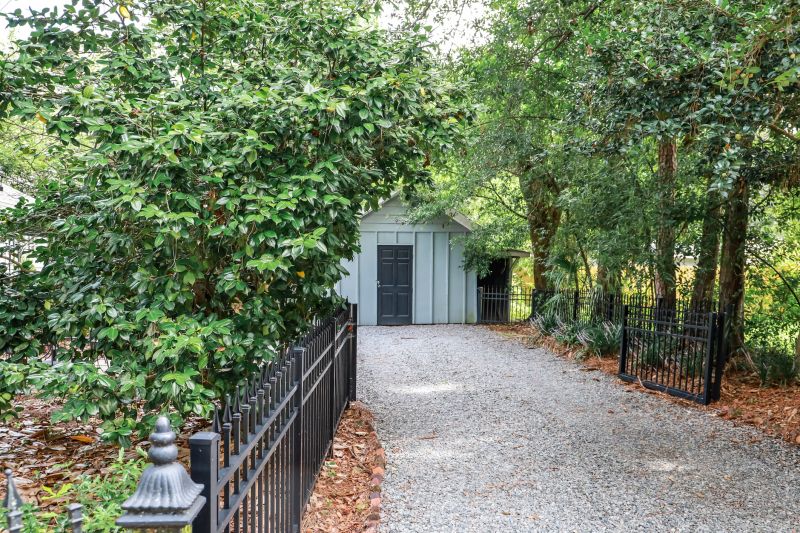
Ways to make Driveways work in tight or awkward layouts.
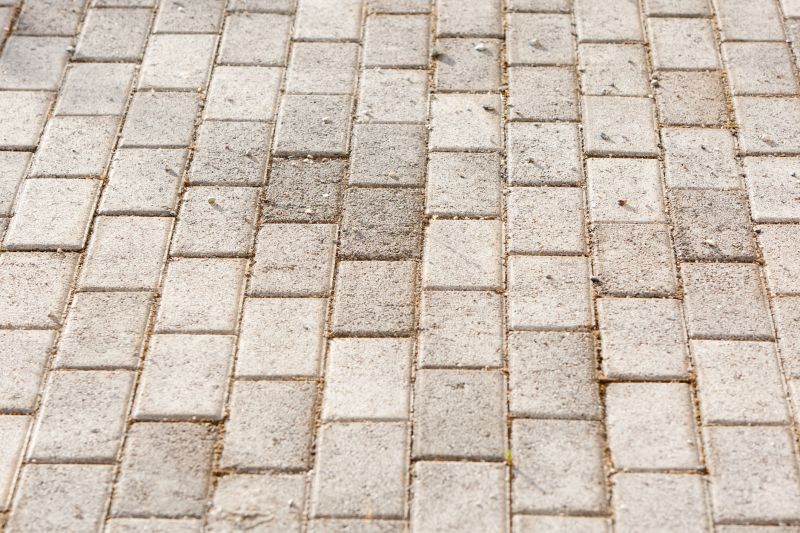
Popular materials for Driveways and why they hold up over time.
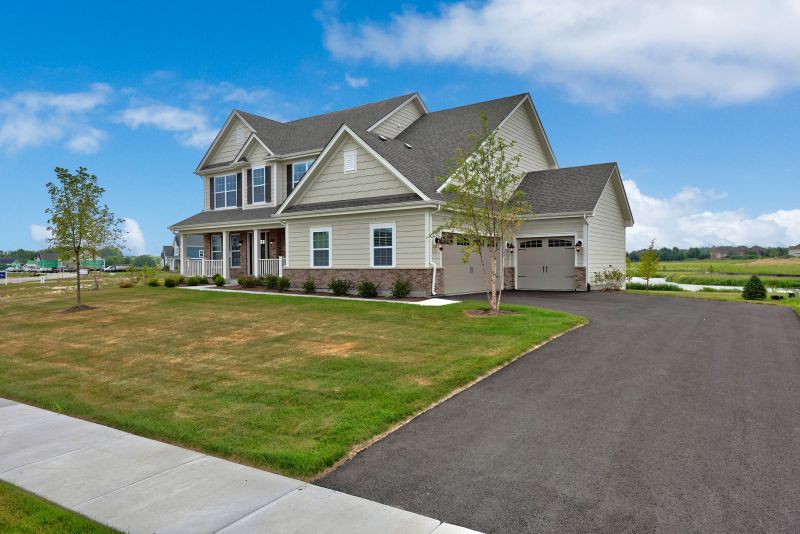
Simple add-ons that improve Driveways without blowing the budget.
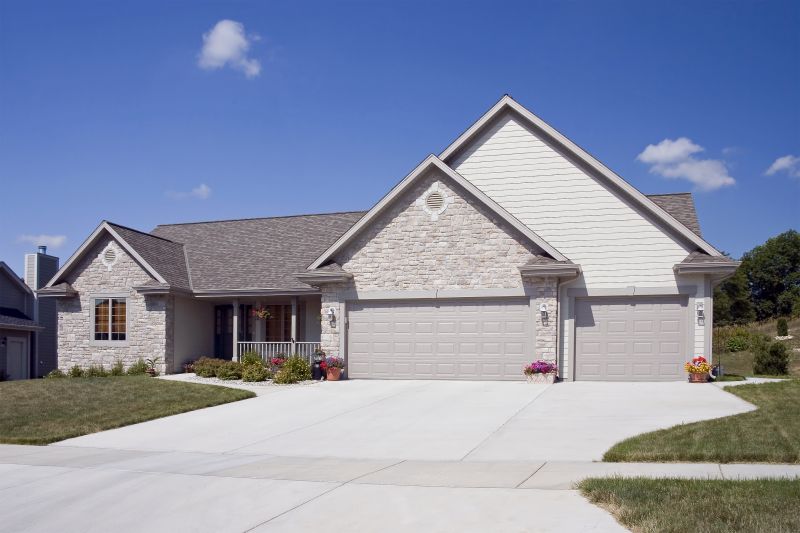
High-end options that actually feel worth it for Driveways.
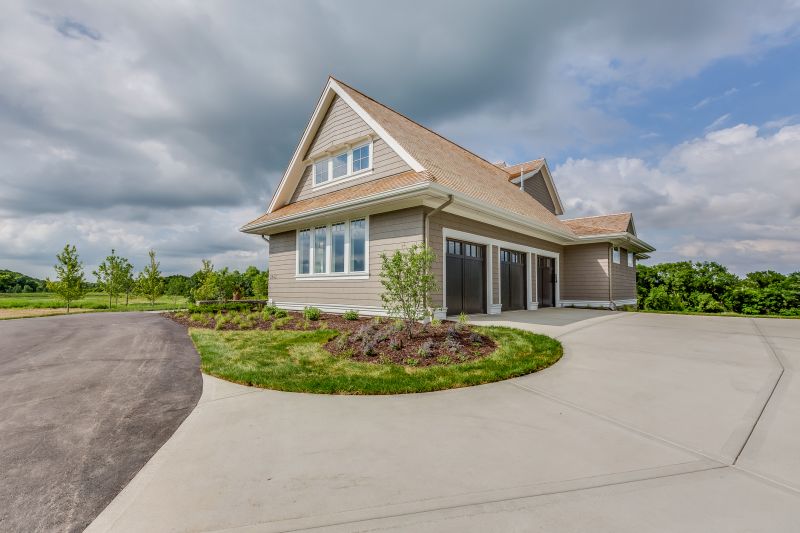
Finishes and colors that play nicely with Driveways.
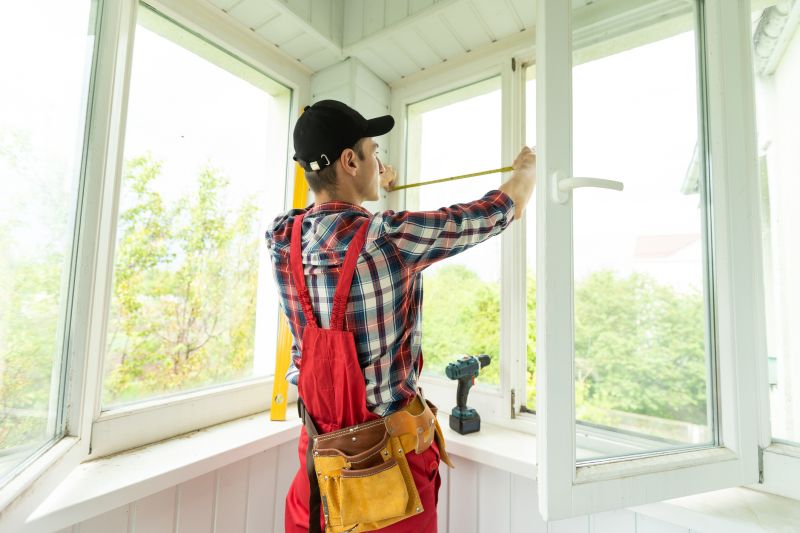
Little measurements that prevent headaches on Driveways day.
Driveways serve as essential access points for residential and commercial properties, providing both functionality and curb appeal. Properly installed driveways can enhance property value and ensure safety by offering a stable surface for vehicles. Common materials include asphalt, concrete, and gravel, each with specific installation requirements and lifespan considerations.
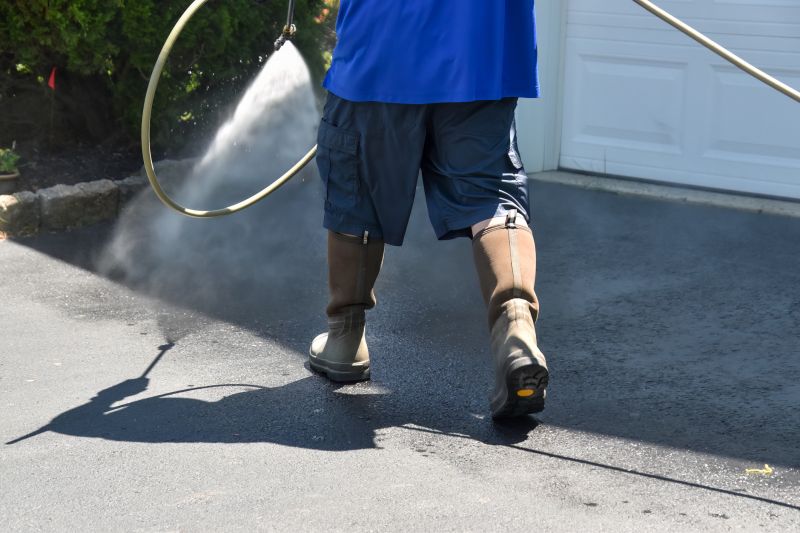
A 60-second routine that keeps Driveways looking new.
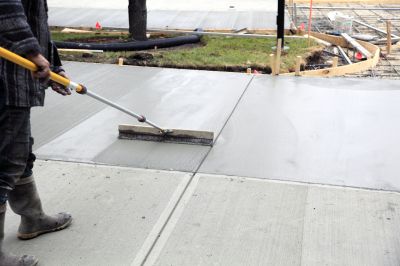
A frequent mistake in Driveways and how to dodge it.
Small tweaks to make Driveways safer and easier to use.

Lower-waste or water-saving choices for Driveways.
| Material Type | Typical Lifespan |
|---|---|
| Asphalt | 15-20 years |
| Concrete | 25-30 years |
| Gravel | 5-10 years |
| Paver | 20-25 years |
| Stamped Concrete | 20-25 years |
| Resin Bound | 10-15 years |
| Permeable Pavers | 20-30 years |
Timing considerations for driveway projects depend on climate, material choice, and project scope. Proper scheduling ensures optimal curing, reduces the risk of damage, and extends the lifespan of the driveway. Consulting with professionals can help determine the best period for installation based on local weather patterns.
Temperature fluctuations and precipitation influence the timing of driveway installation and resurfacing. Dry, stable weather conditions are preferred for best results.
Different materials perform better under specific weather conditions. Asphalt is best installed in warm, dry weather, while concrete requires moderate temperatures for proper curing.
Proper timing for initial installation and periodic resurfacing can extend the lifespan of a driveway, maintaining its appearance and functionality.
Interested in upgrading or installing a new driveway? Filling out the contact form can provide access to professional guidance and tailored solutions suited to specific climate and property needs.