
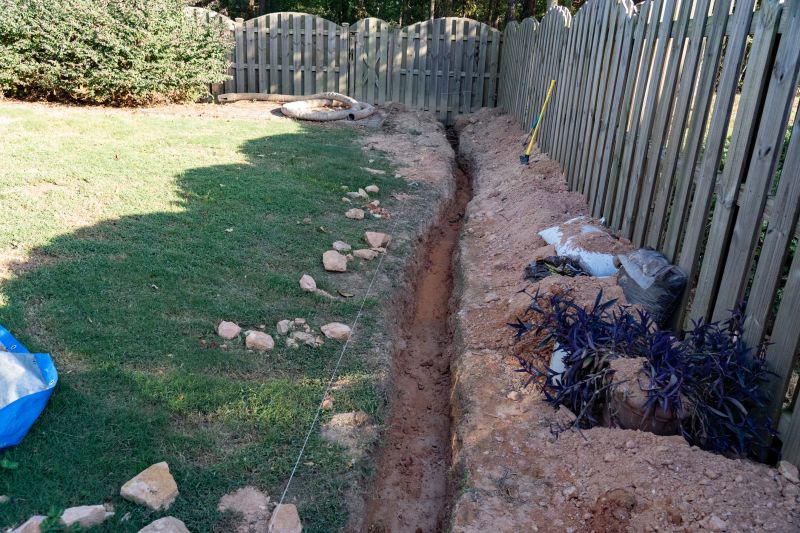
Ditch Digging in Salt Lake City, UT
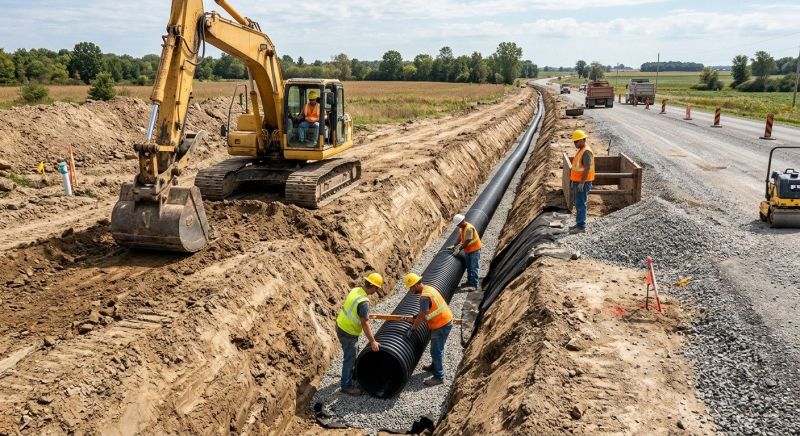
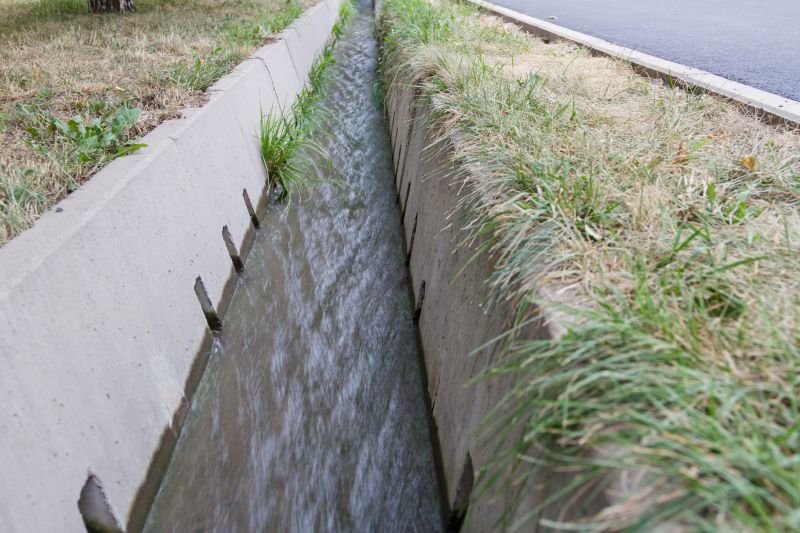
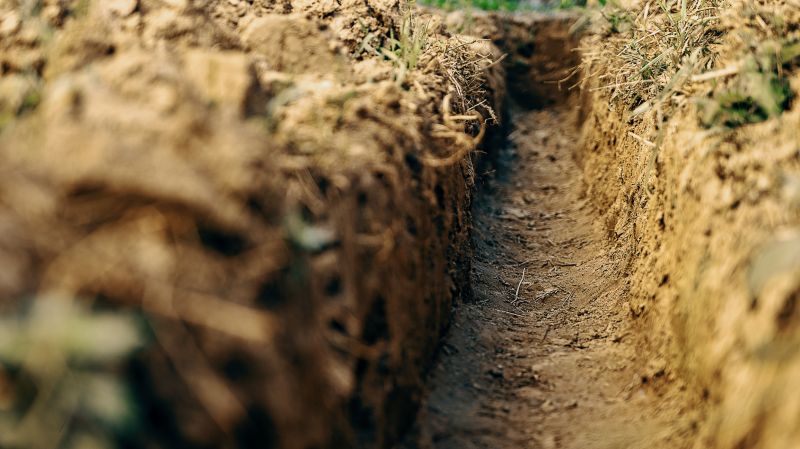
Ditch digging services involve the excavation of narrow trenches or larger channels in a property’s yard or landscape to facilitate various projects. These services are commonly used for installing or repairing underground utilities such as water lines, sewer pipes, electrical wiring, or sprinkler systems. Property owners often request ditch digging when planning to add new infrastructure, replace aging pipes, or create drainage solutions to prevent water accumulation and soil erosion. Understanding the scope of the project, including the depth and length of the trench, as well as any underground obstacles, is important before requesting this service.
Before requesting ditch digging, property owners should consider the location of existing underground utilities to avoid accidental damage. It’s also helpful to determine the desired trench dimensions and any specific requirements for the project, such as slope or backfilling needs. Proper planning ensures the excavation aligns with the intended purpose and complies with local regulations. Clarifying these details in advance can help facilitate a smooth process and ensure the trench is suitable for its intended function.
Many property owners in Salt Lake City, UT look into Ditch Digging for repairs, replacements, upgrades, and appearance-related improvements.
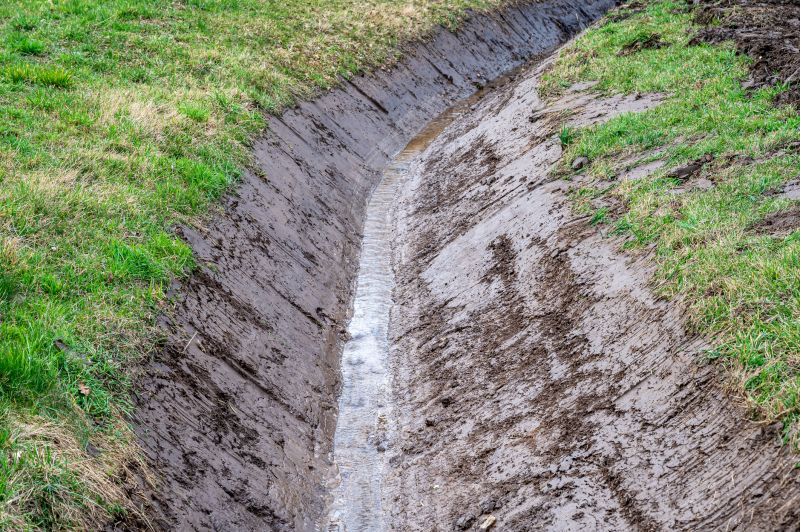
Residential Ditch Digging
Ditch digging is often needed for installing irrigation systems, drainage, or underground utilities on residential properties.
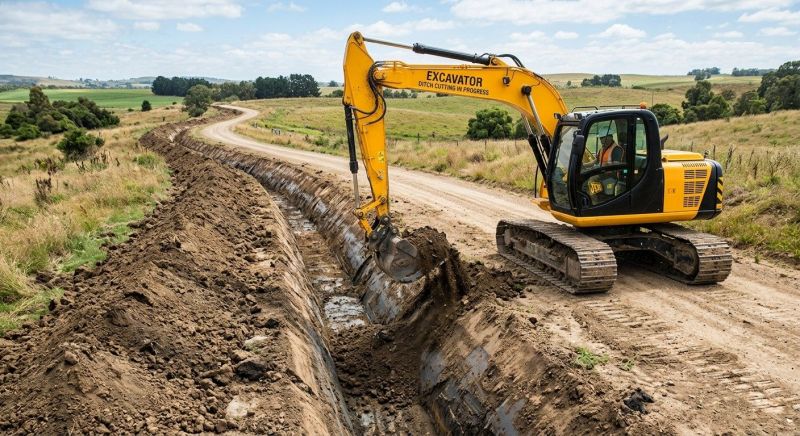
Commercial And Utility Projects
Businesses and property managers may require ditch digging for infrastructure upgrades or new construction in salt lake city, ut.
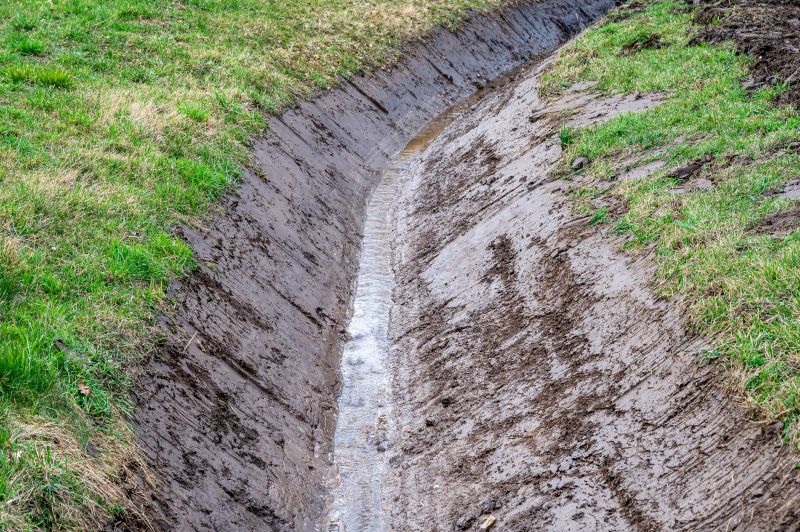
Site Preparation And Excavation
Proper ditching helps prepare land for landscaping, foundation work, or other construction projects on various property types.
Ditch Digging in Salt Lake City, UT

Ditch digging services involve the excavation of narrow trenches or larger channels in a property’s yard or landscape to facilitate various projects. These services are commonly used for installing or repairing underground utilities such as water lines, sewer pipes, electrical wiring, or sprinkler systems. Property owners often request ditch digging when planning to add new infrastructure, replace aging pipes, or create drainage solutions to prevent water accumulation and soil erosion. Understanding the scope of the project, including the depth and length of the trench, as well as any underground obstacles, is important before requesting this service.
Before requesting ditch digging, property owners should consider the location of existing underground utilities to avoid accidental damage. It’s also helpful to determine the desired trench dimensions and any specific requirements for the project, such as slope or backfilling needs. Proper planning ensures the excavation aligns with the intended purpose and complies with local regulations. Clarifying these details in advance can help facilitate a smooth process and ensure the trench is suitable for its intended function.
Many property owners in Salt Lake City, UT look into Ditch Digging for repairs, replacements, upgrades, and appearance-related improvements.
Common Ditch Digging Jobs
Ditch Digging Questions
What types of projects require ditch digging services? Ditch digging is commonly used for installing irrigation systems, drainage solutions, utility lines, or landscaping features on residential properties.
How deep can a ditch be dug? The depth of a ditch depends on the project's needs, typically ranging from a few inches to several feet, ensuring proper function and stability.
What should property owners consider before requesting ditch digging? It's important to assess the location, purpose, and any underground utilities or obstacles that may affect the digging process.
Are there any permits required for ditch digging projects? Permit requirements vary by location; checking local regulations can determine if approval is needed before starting work.
Request Ditch Digging in Salt Lake City, UT
Use the quote form on this page to share the basics of your project and request more information for the type of work you need.